
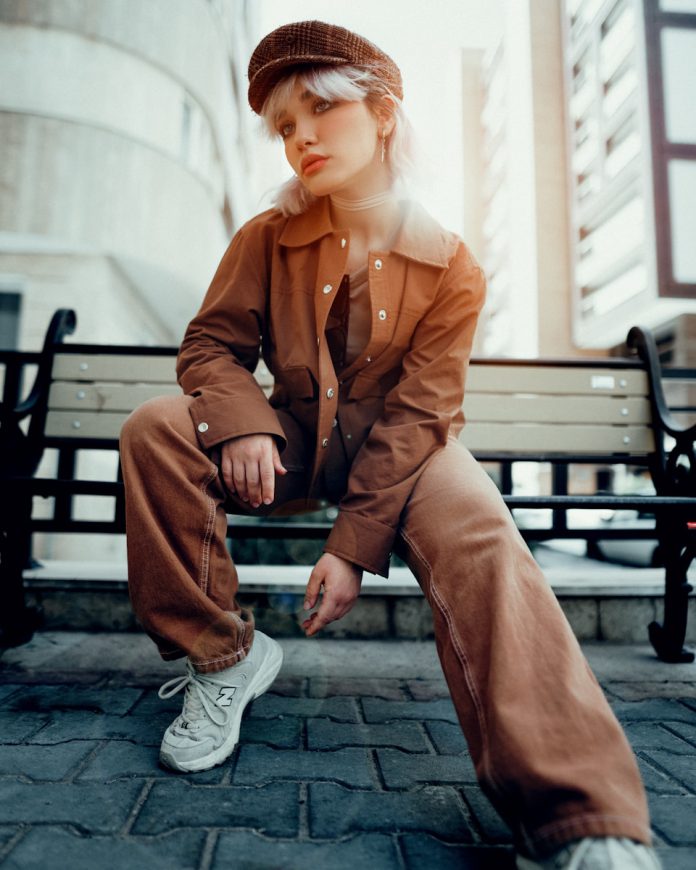
Street style photography has evolved into one of the most dynamic and influential branches of modern fashion culture. Once considered a casual pastime for those who roamed cities with cameras in hand, it’s now a storytelling medium that defines global fashion trends, drives online engagement, and builds personal brands for influencers and photographers alike. For fashion bloggers, mastering the art of street style photography isn’t simply about snapping aesthetically pleasing shots—it’s about capturing the raw, authentic energy of people, places, and self-expression.
This essay explores how fashion bloggers can elevate their street style photography by combining artistry, storytelling, and technical skill to create images that not only inspire but also resonate with audiences worldwide.
The Essence of Street Style
Street style photography sits at the intersection of fashion and real life. It’s not confined to studios, lighting rigs, or designer sets—it thrives in the unpredictability of the streets. The best street style images tell a story of individuality. They reveal how people express themselves through clothes in the context of their surroundings, culture, and mood.
For fashion bloggers, the appeal of this style lies in its authenticity. Unlike editorial shoots, street photography doesn’t demand perfection; it celebrates imperfection, spontaneity, and personality. A wrinkled coat, a gust of wind, or a splash of city grit can turn an ordinary photo into something unforgettable.
But authenticity doesn’t mean randomness. Great street photographers know how to find beauty in chaos. They anticipate movement, light, and emotion. They don’t just document outfits—they reveal character.
Finding Inspiration and Defining Your Vision
Before a fashion blogger steps onto the street with a camera, it’s important to understand the vision behind the lens. Every photographer—amateur or professional—has a point of view that shapes how they see the world.
Ask yourself: What story do I want to tell through my photography? Is it about minimalist urban chic, the vibrant chaos of market fashion, or the elegance of everyday commuters? Your answers to these questions form the foundation of your visual identity.
Studying the work of renowned street style photographers—like Scott Schuman (The Sartorialist), Garance Doré, or Tommy Ton—can be incredibly instructive. Their images demonstrate not only an eye for fashion but also an ability to translate emotion through composition. Yet, imitation is not the goal. The challenge is to develop a distinct voice that feels personal and sincere.
Inspiration can also come from unexpected places: a vintage movie, a piece of music, a rainy morning commute, or even a stranger’s confidence on the sidewalk. The streets themselves become your muse.
Mastering the Technical Side
Even though emotion and storytelling form the heart of street photography, technical skill gives it structure and polish. A good camera can elevate your work, but it’s the photographer’s understanding of light, composition, and timing that truly matters.
Lighting: Natural light is the best friend of street photographers. Early mornings and late afternoons—the golden hours—offer soft, flattering illumination that enhances both skin tones and textures. Avoid harsh midday sunlight unless you’re deliberately aiming for contrast-heavy drama.
Composition: Think beyond the outfit. The environment matters just as much. A colorful wall, a busy intersection, or a quiet alleyway can transform a simple look into an artistic narrative. The rule of thirds, leading lines, and symmetry can guide your framing, but intuition often leads to the most striking results.
Equipment: While DSLRs and mirrorless cameras provide flexibility, smartphones today are capable of producing professional-grade shots. What matters more is how you use them—understanding angles, perspective, and depth of field. For example, shooting from a lower angle can make your subject appear more confident and powerful, while a wide aperture creates a dreamy background blur that keeps the focus on fashion details.
Editing: Post-processing should enhance, not distort. Adjust brightness, contrast, and color balance to reflect the real-life tone of the moment. Over-editing strips away authenticity. Consistency in your editing style, however, is key—it creates a recognizable visual identity for your blog or social feed.
Storytelling Through the Lens
Street style photography isn’t just about clothes—it’s about context. Every photograph tells a story, whether it’s a fleeting glance, a confident stride, or an unguarded laugh. As a fashion blogger, your role is to curate these stories in a way that aligns with your brand and values.
Consider the difference between photographing someone because they look stylish versus capturing the feeling their outfit evokes. The latter invites viewers to connect emotionally. Maybe the photo reveals the quiet rebellion of someone mixing vintage thrift finds with luxury labels, or the joy of color in an otherwise gray cityscape.
Candidness adds another layer of authenticity. While posed shots can be powerful, the magic of street photography often lies in spontaneity—those moments when subjects forget the camera exists.
One effective approach is to plan your shoots around events like Fashion Week or cultural festivals, where diversity of style thrives. However, equally powerful stories can be found in everyday places—a café, subway platform, or city park. What matters most is your ability to see narrative potential in ordinary scenes.
Building Confidence and Connection
Street style photography demands not only technical skill but also people skills. For many bloggers, approaching strangers or directing models in public spaces can feel intimidating. Yet, confidence and empathy are essential ingredients for capturing natural, expressive shots.
If you’re photographing strangers, always ask politely or gesture for permission. Complimenting someone on their style before taking their photo builds trust and openness. If you’re working with friends or collaborators, create an atmosphere of fun and mutual respect. The more comfortable your subject feels, the more genuine their expressions will be.
As you grow in experience, you’ll develop an instinct for reading energy—when to step in, when to wait, and when to simply observe. Great photographers blend invisibility with presence: they make their subjects feel seen, not watched.
Developing Your Brand and Online Presence
In the digital age, your street style photos are more than personal art—they’re your brand’s visual language. Fashion bloggers thrive by building recognizable aesthetics that resonate with audiences.
Curate your content carefully across platforms like Instagram, Pinterest, and personal blogs. Consistency in tone, color palette, and storytelling helps followers immediately identify your work. Use captions to share insights, personal reflections, or even the story behind each photo—this humanizes your feed and builds deeper engagement.
Collaborations can also expand your reach. Partner with other photographers, stylists, or local designers to create joint projects. Not only does this diversify your portfolio, but it also connects you with creative communities that fuel inspiration.
Remember that growth takes time. Authenticity and consistency will always outlast algorithms.
Embracing Imperfection and Experimentation
Street photography thrives on imperfection—the blurred shot, the sudden laugh, the wind-blown hair. These elements don’t ruin a photo; they breathe life into it. The goal isn’t to replicate glossy magazine spreads but to portray real people in real environments with honesty and artistry.
Experimentation keeps your craft evolving. Try shooting in black and white to emphasize texture and emotion, or play with reflections in puddles and glass for visual intrigue. Don’t shy away from unconventional angles or abstract compositions—they might surprise you.
The more you experiment, the more you learn to trust your instincts. Every photo becomes a reflection not just of your subject, but of your growth as an artist.