
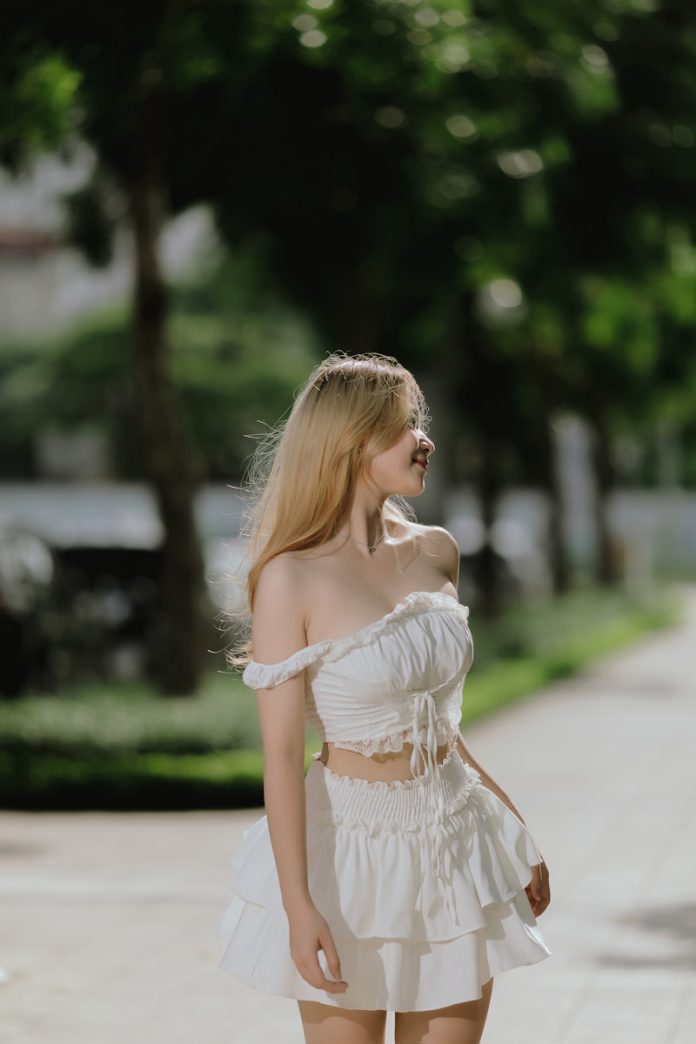
Fashion has always been more than fabric and stitches—it is a language without borders, a reflection of identity, culture, and the rhythm of the times. Today, as social media and travel bring the world closer together, style has become a form of cultural conversation that flows from city to city. Nowhere is this more evident than in the dialogue between two style capitals: Seoul and Milan. Each city carries its own sartorial DNA—Seoul with its experimental modernism and youthful flair, and Milan with its timeless elegance and luxury craftsmanship. Together, they illustrate how global street style has evolved into a tapestry woven from tradition, innovation, and individuality.
The Rise of Seoul: Where Streetwear Meets Artistry
Seoul’s fashion scene has undergone a meteoric transformation over the past two decades. Once overshadowed by Western capitals, the city now sets global trends through the creativity of its youth and the visibility of K-pop culture. Walking through neighborhoods like Hongdae or Garosugil feels like stepping into an open-air runway, where style is expressive, fearless, and constantly evolving.
What defines Seoul street style is its ability to merge opposites—luxury with utility, tradition with futurism, gender fluidity with precision tailoring. Young Koreans often view clothing as a statement of identity rather than conformity. Oversized blazers paired with chunky sneakers, flowing skirts styled with structured outerwear, or bold neon pieces layered over neutral basics—each combination tells a story of defiance and imagination. There’s also a strong emphasis on detail: accessories like tiny bags, statement eyewear, and creative layering techniques turn simple outfits into personal works of art.
Behind this creativity lies a cultural mindset shaped by South Korea’s rapid modernization. The country’s history of reinvention after war, its technology-driven economy, and its highly competitive creative industries all feed into a generation unafraid to experiment. Local designers like Wooyoungmi, Pushbutton, and Ader Error have elevated Seoul’s street aesthetic to global relevance. Their designs capture the same paradox that defines the city—minimal yet maximal, humble yet avant-garde.
Milan: The Heritage of Elegance Reimagined
If Seoul represents the future, Milan embodies the past perfected. For decades, the Italian fashion capital has been synonymous with craftsmanship, tailoring, and understated luxury. Milanese style is not about chasing trends—it’s about cultivating taste. It thrives on subtlety, structure, and the confidence that comes from knowing one’s heritage.
In the streets of Brera or Via Montenapoleone, style is deliberate. Men stride in perfectly fitted suits, their scarves draped effortlessly; women balance poise and ease in high-waisted trousers, silk blouses, and vintage leather handbags. Even the color palette speaks of refinement—earthy tones, soft neutrals, and the occasional flash of red or emerald for emphasis. Where Seoul shouts, Milan whispers, and that quiet sophistication is precisely what makes it enduring.
Yet, Milan’s street style has not been static. In recent years, it has welcomed a youthful, international edge. Designers like Alessandro Michele at Gucci and Miuccia Prada have redefined Italian luxury through bold contrasts, playful nostalgia, and gender-neutral silhouettes. Their influence trickles down to the streets, where classic tailoring now coexists with sneakers, graphic tees, and vibrant prints. The result is a dialogue between the old and the new—a reinvention of elegance for the modern era.
Cross-Cultural Influence: When Seoul Meets Milan
Global fashion no longer flows in one direction. Once upon a time, trends traveled from Paris or Milan to the rest of the world. Now, influence circulates freely between East and West. Seoul’s streetwear has captured the imagination of European designers, while Italian craftsmanship inspires Korean creators seeking timeless quality.
This cross-pollination is evident in both cities’ fashion weeks. During Milan Fashion Week, you’ll see Korean influencers and stylists making headlines for their eclectic looks, merging Seoul’s vibrancy with Milan’s refinement. Conversely, Seoul Fashion Week often showcases brands that reinterpret European tailoring through a futuristic lens—structured suits made with unconventional fabrics, minimalist silhouettes infused with pops of color or digital prints.
One fascinating result of this global exchange is the rise of hybrid aesthetics. In Milan, young Italians have embraced streetwear with a distinctly Korean twist—layering hoodies under blazers, mixing luxury logos with thrift finds, and pairing tailored trousers with chunky sneakers. In Seoul, designers are increasingly integrating Italian craftsmanship, focusing on fine materials, impeccable cuts, and subtle detailing. This mutual admiration has blurred the line between street style and high fashion, between the avant-garde and the artisanal.
The Role of Media and Technology
Social media platforms like Instagram and TikTok have turned local styles into global phenomena. Fashion is no longer filtered through magazine editors or luxury boutiques—it is democratized, immediate, and interactive. A Seoul influencer’s outfit can inspire a Milanese designer overnight, while an Italian blogger’s vintage Prada look might spark reinterpretations in the streets of Gangnam within days.
This digital ecosystem has also amplified authenticity. People want to see real style—how individuals express themselves in everyday settings. Street photographers capture moments that reflect attitude more than perfection: a flash of color in a grey alley, a mismatched accessory that somehow works, the confidence of a stranger who looks effortlessly put-together. Both Seoul and Milan have become ideal stages for this global conversation, as their residents instinctively understand fashion as both personal and performative.
Moreover, technology has accelerated the fusion of cultures. Korean brands now collaborate with European houses, and Italian artisans experiment with futuristic materials and sustainable fabrics popularized in Asia. Even fashion education reflects this exchange, with students from Seoul’s Hongik University studying in Milan’s Istituto Marangoni, and vice versa. The result is a generation of designers fluent in both languages of style—precision and playfulness.
The Philosophy Behind the Looks
Despite their differences, both Seoul and Milan share a common belief: fashion is a reflection of self-respect. In Milan, dressing well is considered a form of good manners—an appreciation for beauty and order. In Seoul, it’s a way to stand out in a hypercompetitive world, a declaration of individuality in a society that values conformity. Both philosophies underscore that style is never superficial; it is an act of self-expression that carries cultural meaning.
What makes Seoul’s street style particularly compelling is its emotional energy. There’s a sense of freedom, of creativity unrestrained by traditional rules. Meanwhile, Milan’s charm lies in its restraint—the art of suggestion rather than proclamation. When combined, they create a balanced ideal: the elegance of Milan tempered with the experimentation of Seoul, the tradition of Italy infused with the innovation of Korea.
Sustainability and the Future of Global Fashion
Another point of convergence between Seoul and Milan is a growing awareness of sustainability. As climate change and ethical concerns reshape the fashion industry, both cities are adapting. In Seoul, upcycling and DIY culture are gaining traction; thrift stores and local designers champion the idea of fashion as circular and personal. Milan, with its legacy of craftsmanship, emphasizes quality over quantity—clothes designed to last decades, not seasons.
This shared shift toward conscious consumption could define the next chapter of global street style. Rather than chasing novelty, the focus is turning toward intention—choosing pieces that tell a story, that merge local craftsmanship with global relevance. The result is not only more responsible fashion but also more meaningful fashion.