
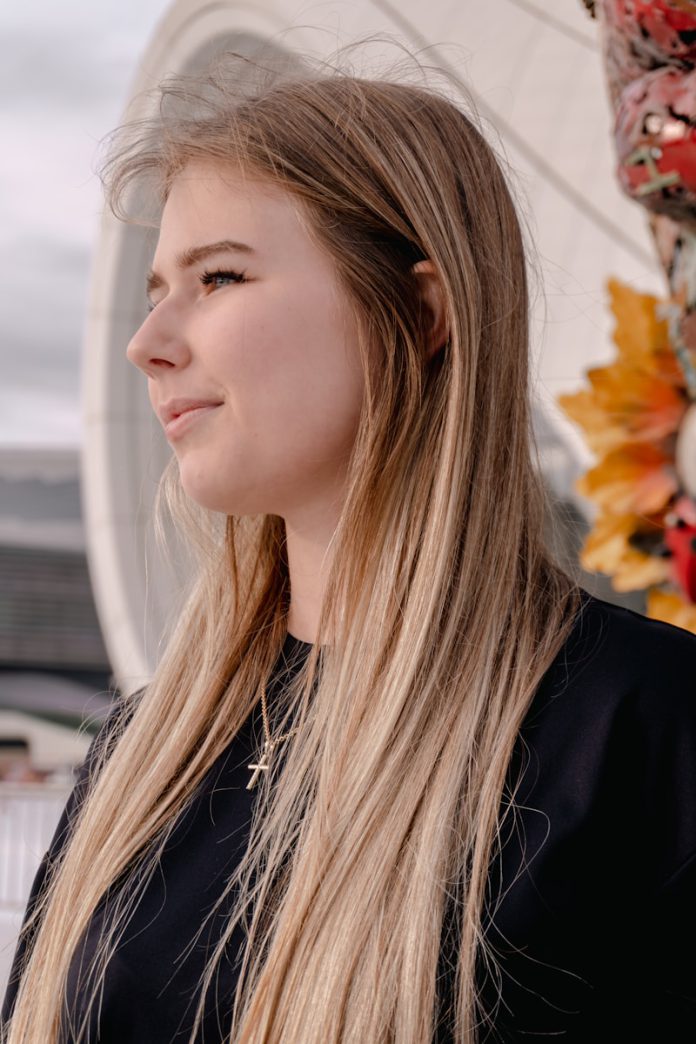
There’s an undeniable sophistication in simplicity. In a world where fashion often leans toward the loud and elaborate, the monochrome look stands as a quiet rebellion — a testament to the timeless idea that less can indeed be more. Dressing in a single color, or shades of the same hue, might sound straightforward, but it’s an art form. It’s about intention, nuance, and balance — a careful dance between color, texture, and silhouette.
The monochrome outfit has long been synonymous with elegance and effortlessness. From Audrey Hepburn’s iconic black ensembles to the crisp whites of modern minimalist influencers, wearing one tone head-to-toe sends a message: refined confidence. It’s the fashion equivalent of speaking softly but being heard clearly.
In this essay, we’ll explore the philosophy behind monochrome dressing, its enduring allure, and practical ways to create sleek, expressive looks — all while ensuring that simplicity never slips into monotony.
The Philosophy of Monochrome: Less, but Better
At its core, monochrome fashion is about clarity. In a visual landscape overflowing with patterns, prints, and clashing palettes, the monochrome outfit is a moment of calm. It allows the eye to rest and the individual to stand out — not because of embellishment, but because of harmony.
This approach aligns closely with the minimalist movement in design, which emphasizes quality, precision, and restraint. Coco Chanel once said, “Simplicity is the keynote of all true elegance.” The monochrome look embodies that philosophy. By removing the noise of multiple colors, it shifts the focus to form, fabric, and fit — the elements that truly define style.
But simplicity doesn’t mean blandness. On the contrary, a monochromatic outfit has power precisely because it’s deliberate. It communicates confidence in one’s choices. It says, “I don’t need to shout to be seen.”
Black: The Eternal Language of Elegance
No discussion of monochrome fashion could begin anywhere else. Black is the universal color of sophistication, and for good reason. It flatters every shape, works for every occasion, and never feels dated. From a sharply tailored black suit to an oversized sweater and trousers, black-on-black outfits exude quiet authority.
The magic of an all-black look lies in its versatility. It can be mysterious, chic, or edgy depending on how you style it. Think of a leather jacket over a silk blouse — the contrast of textures keeps the look dynamic while staying within one tone. Matte and glossy fabrics together create visual depth, ensuring the outfit doesn’t fall flat.
Accessories matter here. A pop of metallic jewelry, a structured bag, or even bold lipstick can elevate an all-black outfit from understated to unforgettable. The key is in restraint — one striking detail is often more powerful than several.
Black is timeless because it carries an air of effortlessness. It’s the armor of artists, executives, and icons alike — always relevant, always refined.
White: Purity, Precision, and Poise
Where black whispers power, white breathes serenity. Dressing in all white requires confidence — not just because it’s unforgiving to stains, but because it draws attention in its quietest form.
A monochrome white look radiates freshness and modernity. Picture wide-leg trousers paired with a crisp linen shirt or a cream-toned blazer layered over a soft ivory turtleneck. The result is architectural yet fluid — minimalism that feels luxurious.
The key to mastering an all-white outfit lies in mixing tones and textures. Combine cool whites with warmer ivories, matte cotton with glossy satin, or chunky knits with sleek leather. This layering of materials prevents the look from appearing sterile or overly pristine.
Footwear and accessories should follow suit — beige, cream, or gold tones complement the white palette beautifully. Whether for summer strolls or winter chic, all-white dressing captures the spirit of renewal and quiet confidence.
Neutrals: Subtle Strength
Between black and white lives an entire spectrum of neutrals — beige, camel, taupe, gray, and olive. These tones have recently reemerged as the heroes of modern wardrobes, celebrated for their understated elegance.
A monochrome neutral outfit is the epitome of effortless sophistication. Think of a camel coat draped over a sand-colored knit, or a dove-gray suit paired with matching loafers. These combinations project polish without pretense — the kind of quiet luxury that doesn’t need a logo to make an impression.
The beauty of neutral monochrome lies in its warmth and adaptability. It’s seasonless, genderless, and universally flattering. The trick is in contrast: vary shades slightly to give dimension. For example, pairing a light beige blouse with darker khaki trousers creates visual depth without straying from the palette.
Neutrals also thrive on structure. Tailoring and texture — crisp shirts, wool trousers, suede bags — keep these tones from blending into the background. Monochrome doesn’t have to mean monotone.
Bold Colors: Confidence in Full Saturation
Monochrome dressing doesn’t end with neutrals. In fact, some of the most striking fashion moments come from embracing bold hues. A head-to-toe red suit, an emerald green dress with matching accessories, or even a full cobalt ensemble can transform your presence instantly.
Wearing color in monochrome form magnifies its emotional impact. Red communicates power and passion; blue evokes calm intelligence; green symbolizes balance and vitality. When worn in one solid palette, these colors feel intentional rather than overwhelming.
The secret to pulling off bold monochrome lies in tone variation. Layer lighter and darker shades of the same color — for example, pair a powder-blue shirt with navy trousers, or mix burgundy and cherry-red accessories. This interplay keeps the look dynamic and dimensional.
For those new to color, start small. Try a single-color outfit in soft pastels or muted shades before progressing to more saturated tones. Once you feel comfortable, let your outfit do the talking.
Texture: The Unspoken Dimension
When you limit yourself to one color, texture becomes your canvas. The interplay of different materials adds richness, making the monochrome look visually interesting without breaking its harmony.
Imagine a black wool blazer over a silk camisole, paired with leather trousers. Or a white cotton dress with crochet detailing and a linen trench layered on top. The textures catch light differently, adding depth and movement to the outfit.
This is where styling meets art. Mixing matte and shiny, soft and structured, rough and smooth materials brings life to even the simplest palette. It’s the detail that separates an intentional look from a flat one.
Accessories: Subtle Accents, Strong Statements
In monochrome dressing, accessories serve as punctuation marks. They can enhance the tone of your outfit or subtly disrupt it for contrast.
Matching accessories to your outfit’s color creates cohesion — a tan bag with a camel dress, or silver jewelry with a gray suit. However, introducing a single contrasting accent, like a bright handbag or bold shoes, can also add intrigue without breaking the sleek aesthetic.
Belts are particularly powerful in monochrome looks. They define the silhouette and add visual separation without introducing color chaos. And when in doubt, let metallic accents — gold, silver, or bronze — add quiet sophistication.
The Modern Minimalist Mindset
Monochrome fashion resonates deeply with the modern lifestyle. In an era of constant stimulation, there’s something profoundly refreshing about visual simplicity. Choosing to wear one color isn’t about lack of creativity; it’s about focus. It’s about curating pieces that serve multiple purposes — versatility over volume.
Building a wardrobe around monochrome staples also supports sustainability. When your clothes naturally harmonize with one another, you shop more intentionally. Quality replaces quantity. Every piece earns its place.
Monochrome dressing, then, becomes more than an aesthetic choice — it’s a lifestyle philosophy. It reflects confidence, discipline, and a clear sense of identity.
Beyond Trend: The Timeless Appeal
What makes the monochrome look truly enduring is its universality. It transcends age, culture, and decade. Whether you’re drawn to the structured black suits of 1980s power dressing or the minimalist whites of contemporary street style, monochrome outfits adapt and evolve without ever losing relevance.
Celebrities, designers, and stylists return to it again and again because it works. It photographs beautifully, travels well, and communicates sophistication instantly. It’s a formula that feels both modern and classic, tailored and free.
At its best, the monochrome look isn’t about uniformity — it’s about unity. Every piece contributes to a cohesive story, one where color becomes emotion and simplicity becomes art.
Final Thoughts: The Strength of Subtlety
Fashion, at its heart, is a form of self-expression. Monochrome dressing invites us to express ourselves with precision — not through excess, but through intention. It’s proof that confidence doesn’t always need color contrasts or bold prints. Sometimes, all it needs is harmony.
When you dress in one tone, you let the finer details speak: the texture of fabric, the cut of a jacket, the confidence in your stride. And that’s what makes the monochrome look eternally sleek — it’s not about what you wear, but how you wear it.
Because the most powerful outfits aren’t the loudest — they’re the ones that whisper sophistication in every shade of simplicity.