
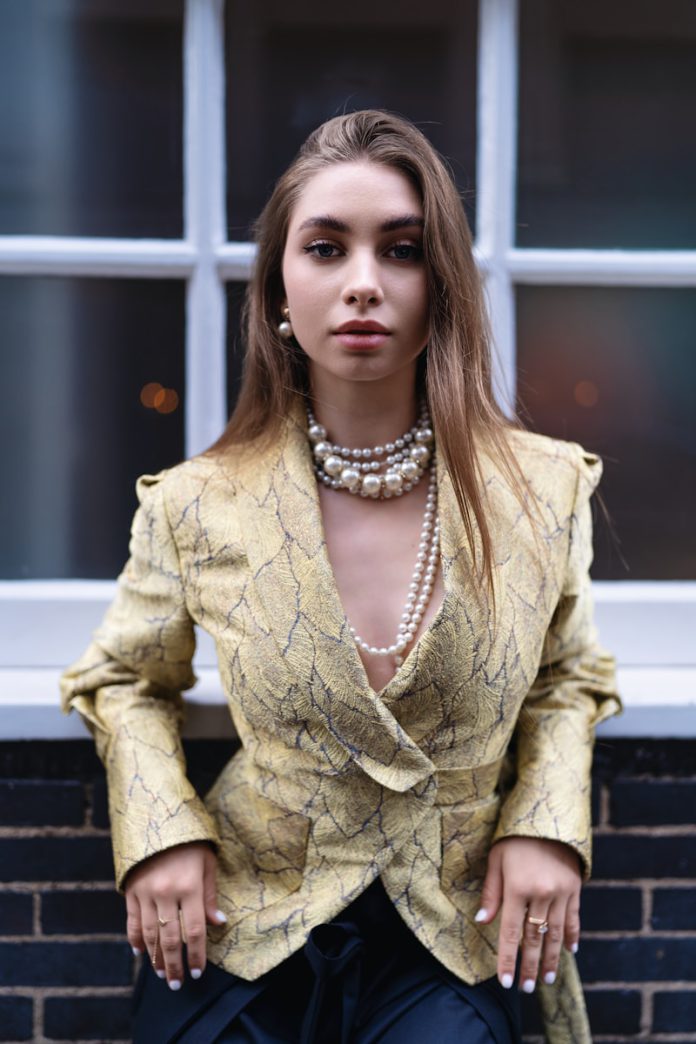
For most of the twentieth century, luxury meant exclusivity. It was about silk gowns, marble foyers, and things you couldn’t touch unless you belonged to a very small, very rich circle. To own luxury was to possess something rare, something out of reach. But the 21st century changed the rules. Now, luxury doesn’t just live in private jets and high-end boutiques — it lives on Instagram feeds, YouTube vlogs, and red carpets where individuality outshines price tags. The rise of celebrity culture, reshaped by social media, has turned luxury from a symbol of status into a statement of identity.
Today, the world watches celebrities not merely for what they own but for how they live. The way they redefine modern luxury says more about culture than commerce — it tells a story of values, self-expression, and the evolving meaning of success.
The Old Rules of Luxury
Before the digital era, luxury was a static ideal. It was the territory of old money, European fashion houses, and polished exclusivity. Think of Coco Chanel’s pearls, Grace Kelly’s Hermès bag, or the quiet power of tailored suits. Luxury wasn’t loud; it whispered. It wasn’t about accessibility; it was about distance.
Celebrities in that age were distant too — godlike figures glimpsed in glossy magazines and film reels. Their wealth and glamour existed on another plane, and that distance made them aspirational. You couldn’t be them, and that was the point.
But then came the internet — and with it, a cultural earthquake. Suddenly, fame and luxury were no longer confined to Hollywood studios or gated estates. The walls between celebrity and audience fell. What had once been private became public, and what had once been unattainable became a lifestyle people could follow.
Social Media and the Democratization of Luxury
Instagram, TikTok, and YouTube didn’t just change how celebrities connect with fans — they redefined what luxury looks like. Traditional luxury was about scarcity; modern luxury is about visibility.
When Kylie Jenner gives a tour of her cosmetics lab, or Rihanna shares behind-the-scenes glimpses of Fenty’s inclusive casting, they aren’t just selling products — they’re selling participation. Fans feel part of their world. Luxury becomes interactive, not observational.
This shift has blurred the line between celebrity and consumer. Social media has created a new kind of luxury that’s less about ownership and more about experience. A Birkin bag still matters, but so does the feeling of being seen, heard, and included. The modern consumer doesn’t want to imitate a lifestyle; they want to be part of the story.
This is why influencers — once dismissed as amateurs — now sit at the same tables as movie stars and designers. They embody the new definition of luxury: access, authenticity, and alignment with a personal narrative.
From Possession to Personality
One of the most significant shifts in modern luxury is the move from materialism to meaning. Today’s celebrities no longer define their wealth by accumulation but by curation. The value of luxury lies in taste, not price.
Take someone like Zendaya. Her red-carpet looks, often crafted in collaboration with emerging designers, represent more than fashion statements. They’re cultural expressions — a way of using style to tell stories about race, history, and empowerment. Similarly, Pharrell Williams, now Louis Vuitton’s men’s creative director, blends music, streetwear, and fine craftsmanship to challenge the boundaries of what luxury can mean.
Luxury, in this sense, has become a form of self-expression — an art of individuality. It’s no longer about blending in with the elite but standing out with purpose. The modern icon is not defined by what they buy, but by what they choose to represent.
Sustainability and the Rise of Conscious Luxury
There was a time when luxury meant excess — diamonds, private jets, endless consumption. But in a world more aware of climate change and inequality, that vision feels outdated. Celebrities have played a key role in reshaping luxury into something more mindful.
Take Emma Watson, who champions sustainable fashion by wearing eco-conscious designers to major events. Or Leonardo DiCaprio, who invests in green technologies and ethical startups. Even the Kardashians, once symbols of hyper-consumerism, now promote minimalist aesthetics and wellness-focused lifestyles.
Luxury today is as much about responsibility as indulgence. The new elite are those who can afford to care — not just financially, but ethically. The ability to influence others toward more sustainable choices is itself a kind of power, one rooted in social awareness rather than social distance.
This evolution reflects a larger societal desire: to see success as something that benefits more than the self. Modern luxury is no longer about escaping the world but improving it.
The Blending of High and Low
Another fascinating shift in modern luxury is how it now embraces contradiction. Celebrities have learned that authenticity is the ultimate luxury — and authenticity thrives in imperfection.
When Billie Eilish wears oversized thrifted outfits to award shows, or when A$AP Rocky pairs a Gucci jacket with vintage Levi’s, they’re making a statement: true luxury lies in freedom, not conformity. Even brands have caught on. Dior collaborates with Nike, Louis Vuitton teams up with Supreme, and Balenciaga transforms Crocs into runway sensations.
What used to be “high” and “low” fashion no longer matters. The modern luxury landscape celebrates diversity — of background, of taste, of culture. Celebrities lead this charge by showing that wealth without imagination is outdated. In a sense, they’ve turned consumption into creation.
This hybridization also reflects our digital lives, where everything blends — work and play, fame and normalcy, online and real. The celebrity wardrobe, like the influencer’s feed, mirrors this fusion. It’s not about perfection; it’s about presence.
The Power of Storytelling
If luxury once relied on craftsmanship, today it relies equally on narrative. The handbag matters, but the story behind it matters more. Celebrities, as modern storytellers, understand this intuitively.
Consider Rihanna’s Fenty empire. Its success doesn’t just come from product quality — it comes from the narrative of inclusivity. Fenty’s foundation shades, designed for every skin tone, redefined beauty standards and, by extension, redefined luxury. Likewise, Beyoncé’s Ivy Park, blending athleticism with empowerment, reflects how luxury now lives at the intersection of aspiration and authenticity.
These stories resonate because they align with collective values. Modern luxury is emotional; it’s about connection, not just consumption. The brands that thrive today are those that reflect the humanity behind the glamour.
Celebrity as the New Curator
In the 2020s, the celebrity’s role has shifted from consumer to creator — or rather, curator. They no longer just endorse luxury brands; they build them. From Kim Kardashian’s SKIMS to George Clooney’s Casamigos Tequila, celebrity-led ventures have redefined what luxury entrepreneurship looks like.
These brands succeed because they merge storytelling with relatability. SKIMS, for instance, is less about luxury in the traditional sense and more about comfort, confidence, and body positivity — yet its success rivals that of heritage fashion houses.
The key lies in the human touch. Today’s consumers trust celebrities who seem “real,” who build brands that solve genuine problems or embody their personal journeys. Luxury, therefore, has become an ecosystem of trust and authenticity rather than mere aspiration.
Cultural Shift: Luxury as Emotion
What celebrities have truly achieved is the emotional rebranding of luxury. It’s no longer a cold display of wealth — it’s about warmth, identity, and belonging. A vintage watch worn by Timothée Chalamet might symbolize nostalgia; Serena Williams wearing her own Nike collection might symbolize empowerment.
The emotional connection between celebrity and audience has humanized luxury. When fans see their idols wear affordable items alongside couture pieces, they feel invited into the experience. The once-exclusive world of luxury now feels personal — curated, contextual, and connected to real lives.
This is why the modern luxury icon isn’t necessarily the richest person in the room; it’s the one with a story that moves people.