
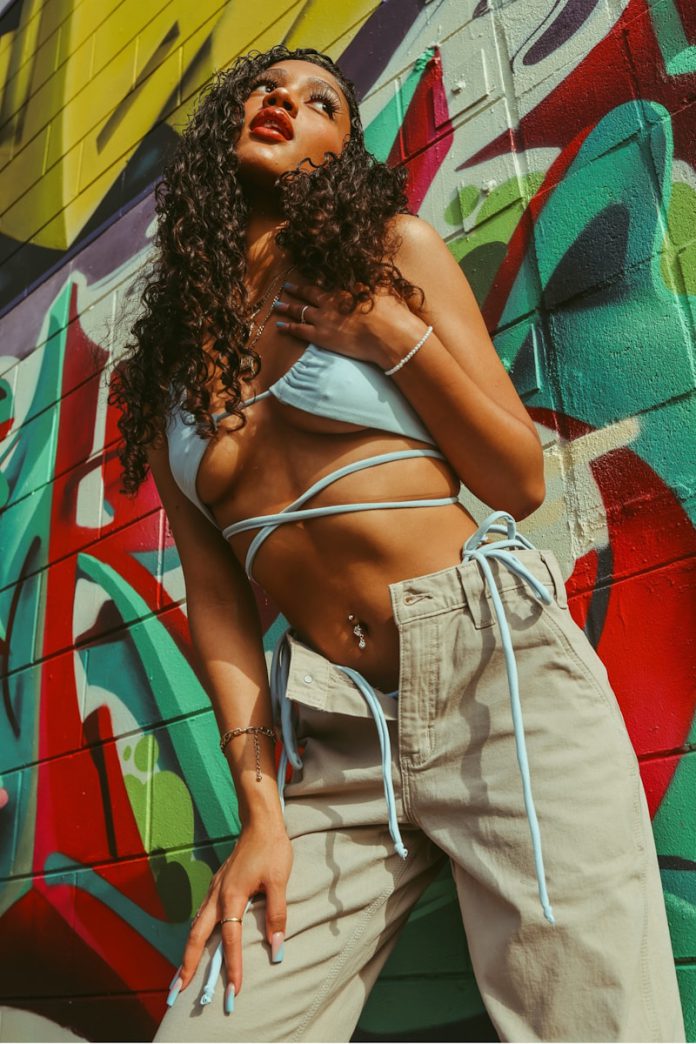
Every season, Paris transforms into a living, breathing gallery of fashion. But while the runways glimmer with high-concept creations and carefully orchestrated collections, it’s the streets outside the shows that truly capture the pulse of contemporary style. Paris Fashion Week may be known for its couture houses and avant-garde designers, but it is the sidewalks—lined with editors, models, influencers, and dreamers—that reveal how fashion lives in the real world. Street style during Paris Fashion Week isn’t just about what people wear; it’s about how they exist in clothing. It’s about identity, confidence, and storytelling, unfolding frame by frame as photographers capture the beauty of individuality against the city’s timeless backdrop.
Paris: The World’s Open-Air Runway
Paris has always been the heart of fashion, a city where history and innovation coexist effortlessly. During Fashion Week, this harmony spills onto the streets. The boulevards become extensions of the runway—where heritage meets experimentation, and old-world charm collides with digital-age expression. The people who flock here each season bring with them a collective energy that turns the city into a global meeting point for style.
Unlike the choreographed perfection of catwalks, the street style scene thrives on spontaneity. A woman dashes across Place Vendôme in a sculptural leather coat; a man balances vintage denim with an oversized Balenciaga blazer; a model on a cigarette break pairs gym shorts with kitten heels. Every look feels like a snapshot of someone’s personal philosophy. And thanks to social media, these moments of authenticity don’t stay confined to the Parisian streets—they echo around the world within seconds.
The Influence of Individuality
The best street style looks from Paris Fashion Week often defy easy categorization. They’re not bound by one aesthetic, nor do they bow to fleeting trends. Instead, they celebrate personality. Fashion’s current landscape prizes individuality more than ever, and nowhere is that more evident than in Paris.
Take, for instance, the parade of bold color combinations seen outside the Loewe and Valentino shows. Vibrant oranges clashed delightfully with icy blues; neon greens stood defiantly against monochrome backdrops. These were not accidents—they were deliberate statements of self-assurance. Street style in Paris reflects a broader cultural shift: fashion is no longer about fitting in but about standing out.
In an era when algorithms try to predict what we’ll wear next, the human touch—how someone ties a scarf, layers a dress over trousers, or pairs high fashion with flea-market finds—remains unpredictable. That unpredictability is what keeps fashion thrilling. Each outfit tells a story of who the wearer is or hopes to be.
The Rise of Effortless Elegance
Still, among all the extravagance and experimentation, there’s been a noticeable return to what Parisians do best: understated sophistication. Many of the standout looks this season embraced simplicity with flair—tailored blazers cinched with unexpected belts, crisp white shirts tucked into wide-leg trousers, and subtle accessories that whispered instead of shouted.
This new wave of “quiet luxury” doesn’t reject creativity—it refines it. The goal isn’t to appear rich or trend-savvy but self-assured. Street style stars like Camille Charrière and Jeanne Damas exemplified this aesthetic with an ease that felt organic, not performative. Their looks reminded us that the essence of French fashion has always been about balance: between polish and imperfection, tradition and rebellion.
Street Style as a Cultural Mirror
Fashion has always been more than fabric; it’s a reflection of social mood. The best street style looks at Paris Fashion Week are not only aesthetically inspiring but also deeply telling of the times we live in. After years of global uncertainty, there’s a new hunger for optimism, playfulness, and authenticity.
This was evident in the joyous use of color, whimsical accessories, and revival of nostalgic silhouettes. The resurgence of early-2000s pieces—like low-slung skirts, denim-on-denim, and tiny baguette bags—wasn’t just a trend recycling moment. It was an emotional callback to simpler, more carefree days. Fashion’s cyclical nature serves as a kind of collective therapy, allowing people to reinterpret the past through the lens of the present.
The sustainability movement also found expression on the streets. Many attendees wore reworked or vintage garments, signaling a broader shift toward conscious consumption. It’s no longer enough for an outfit to look good—it should also mean something. The best-dressed attendees weren’t necessarily those dripping in luxury logos, but those who curated looks with intention, proving that fashion’s most radical act right now might be mindfulness.
Social Media: The New Front Row
Of course, the phenomenon of Parisian street style cannot be separated from the digital age. Social media platforms like Instagram and TikTok have transformed the sidewalks outside fashion shows into virtual runways. Photographers and influencers create an instant feedback loop where style is not only observed but shared, dissected, and reimagined in real-time.
This democratization of fashion is both empowering and complex. On one hand, it allows anyone with a sense of style to have a global platform. On the other, it risks turning creativity into performance—outfits crafted not for self-expression but for virality. Yet even within this tension, there’s beauty. The interplay between authenticity and aspiration keeps fashion alive, constantly evolving with the times.
What remains remarkable is how Paris Fashion Week still manages to inspire awe, even in an age where everyone has seen everything. The city’s streets somehow preserve a sense of magic, of discovery. Each season feels like a reminder that while fashion can be captured through a lens, its true essence is something lived.
Men’s Street Style: Subtle Rebellion
This year’s men’s street style also spoke volumes about the changing definitions of masculinity. Gone are the rigid suits and sober palettes of yesteryear. In their place, we see fluid tailoring, soft pastels, pearl necklaces, and playful silhouettes that blur gender lines. Men at Paris Fashion Week dressed not to project power but personality.
Layering became a language—flowing trenches over knits, sportswear mixed with tailored pieces, and sneakers paired with structured trousers. The message was clear: confidence no longer stems from conformity, but from comfort within one’s individuality. In this way, men’s street style has become as influential as women’s, proving that fashion’s future lies in freedom, not rules.
Fashion as Self-Portraiture
If there’s one thread tying together the best street style looks from Paris Fashion Week, it’s that clothing has become a form of self-portraiture. Each outfit functions like a brushstroke, painting a narrative of the wearer’s inner world. Whether it’s an influencer in a deconstructed Maison Margiela ensemble or a student in thrifted Chanel tweed, everyone contributes to the grand tapestry of what style means today.
And in the most poetic way, the streets of Paris remind us that fashion is deeply human. Behind every look there’s a heartbeat, a decision, a story. That’s why street style resonates so powerfully—it’s not about perfection but expression. It’s where fashion breaks free from fantasy and meets reality head-on, still managing to sparkle.
The Ongoing Dialogue Between Street and Runway
Interestingly, the influence between the runway and the street has reversed in recent years. Designers now look to streetwear for inspiration as much as the other way around. What appears on the sidewalks outside the shows often predicts what will appear on the runways the following season. The hierarchy has flattened; creativity flows in every direction.
This evolution underscores a broader cultural truth: fashion no longer belongs to a select few. It’s a conversation that anyone can join. The best street style from Paris Fashion Week embodies that spirit—it’s democratic, diverse, and delightfully unpredictable.