
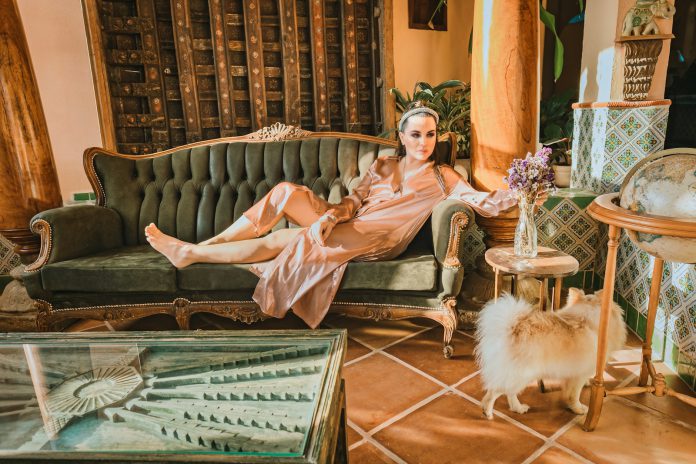
In a culture defined by abundance, luxury has taken an unexpected turn. Gone are the days when opulence was measured by excess — gold embellishments, loud designer logos, and grand displays of wealth. Today, true luxury whispers. It reveals itself not through extravagance, but through restraint, intention, and a quiet confidence. This new aesthetic — often described as luxury minimalism — has redefined what it means to live beautifully in the 21st century.
Luxury minimalism isn’t simply about owning less or dressing in beige. It’s a lifestyle that blends sophistication with simplicity, quality with calm, and refinement with subtlety. It’s a paradox that thrives on balance: the art of making something feel rich without it being loud. To understand this world is to understand a deeper shift in our cultural and emotional relationship with material things.
From Extravagance to Essence
Luxury has always been about aspiration — but what we aspire to has evolved. In past decades, status was displayed through visible markers: designer logos, ornate interiors, and brand-heavy fashion. The 1980s and early 2000s were emblematic of this mindset, when success meant showing everything you had.
Then something changed. As technology sped up our lives and consumerism reached a fever pitch, minimalism emerged as a form of relief — a rebellion against noise and clutter. People began craving quiet spaces, mindful consumption, and meaningful design. At first, minimalism was utilitarian: white walls, empty rooms, capsule wardrobes. But as it merged with luxury sensibilities, it evolved into something warmer, richer, and more nuanced — luxury minimalism.
This new movement doesn’t reject beauty or indulgence; it redefines them. It asks: What if luxury wasn’t about more, but about better? What if the highest form of taste was found in restraint?
The Language of Subtlety
Luxury minimalism is not a single aesthetic — it’s a language spoken through texture, proportion, and silence. A handwoven cashmere throw over a sleek oak chair, a matte black watch face on a minimalist strap, or a well-tailored cream blazer with no visible logo — these are its symbols.
In fashion, brands like The Row, Loro Piana, and Jil Sander have mastered this quiet vocabulary. Their garments don’t shout status; they whisper craftsmanship. The fabrics are impeccable, the cuts precise, and the colors soothingly neutral. The appeal lies in what isn’t immediately obvious — the way a coat drapes effortlessly, or how a handbag’s stitching is invisible to the casual eye but unmistakable to the connoisseur.
Interior design follows the same philosophy. In the world of luxury minimalism, space is treated as a luxury in itself. A room may have only a few pieces of furniture, but each one is exceptional — a sculptural marble table, a linen sofa, a single piece of art perfectly placed. Every item has purpose, presence, and air around it. This breathing space — literal and visual — is what makes it luxurious.
Quality Over Quantity
At its heart, luxury minimalism is driven by discernment. It’s about choosing one perfect thing instead of ten mediocre ones. The minimalist luxury consumer is not anti-materialistic; they simply seek materials that matter — cashmere over cotton, solid oak over veneer, hand-forged over factory-made.
This mindset transforms consumption into curation. A wardrobe becomes a gallery of timeless essentials: a flawless white shirt, tailored trousers, one perfect leather bag. These are not fast-fashion purchases but lifelong investments. The same logic applies to lifestyle choices — fewer gadgets, fewer distractions, more intention.
Minimal luxury isn’t frugality; it’s precision. It reflects a deep respect for craftsmanship and an understanding that true value lies in longevity, not novelty. When every object in your life serves a purpose — whether functional or emotional — clutter disappears, and calm takes its place.
The Psychology of Quiet Luxury
Luxury minimalism’s rise isn’t just aesthetic — it’s psychological. In an overstimulated, hyper-connected world, simplicity has become the ultimate status symbol. Silence, space, and time are now rare commodities. When your environment, wardrobe, and schedule are stripped of noise, you reclaim focus and presence. That’s real wealth.
Psychologically, minimalism provides clarity. Every unnecessary item you remove — physical or digital — creates space for something more meaningful. Luxury minimalism amplifies this by adding sensual pleasure back into the equation. It’s minimalism without deprivation. The textures are soft, the colors warm, the design considered. You still indulge, but with purpose.
This approach also mirrors a broader cultural trend toward “stealth wealth” — the idea that sophistication no longer needs validation from others. The people most deeply entrenched in luxury minimalism don’t flaunt it because they don’t need to. Their confidence comes from knowing, not showing.
Sustainability and Mindful Living
Another force behind luxury minimalism is sustainability. As the fashion and design industries confront environmental realities, consumers are reevaluating their habits. Minimalist luxury offers a sustainable model by prioritizing durability, ethics, and timelessness.
Investing in a high-quality coat that lasts twenty years is far more sustainable than buying five cheap ones every winter. Similarly, furnishing a home with handcrafted, long-lasting pieces reduces waste and encourages emotional connection to one’s environment. When you truly love something, you take care of it.
Many modern luxury brands are aligning with this ethos, emphasizing transparent sourcing, small-batch production, and natural materials. The result is not only more ethical but also more emotionally resonant. A handmade ceramic bowl, for example, carries the quiet fingerprint of the artist — something a mass-produced object can never replicate.
The Digital Detox of Design
In the age of screens and social media, our eyes and minds are constantly bombarded by information. Luxury minimalism offers a kind of visual detox. The empty spaces, neutral tones, and deliberate simplicity allow the mind to rest.
Architects and designers are increasingly creating “mindful spaces” — homes and offices designed to reduce cognitive clutter. Natural light, clean lines, and earthy textures evoke calmness and focus. This aesthetic also translates to digital life: fewer apps, decluttered desktops, intentional social media use. It’s minimalism as mindfulness — a reminder that less can truly be more, not just in design, but in attention.
Luxury Minimalism in Fashion and Culture
Fashion has always mirrored society’s collective mood. As wealth becomes more discreet and success more personal, luxury minimalism perfectly captures the spirit of modern affluence. Celebrities like Gwyneth Paltrow, Zoë Kravitz, and Kendall Jenner have embraced “quiet luxury” looks — structured coats, soft knits, and neutral palettes that radiate effortlessness.
Even pop culture has reflected the shift. The success of shows like Succession and The White Lotus highlighted a new kind of power dressing — understated, logo-free, and tailored to perfection. Viewers quickly recognized that true wealth now hides in plain sight. The irony is that it takes immense resources and taste to look this “simple.”
Yet this aesthetic isn’t only for the ultra-rich. Anyone can adopt its principles: buying less but better, investing in long-term pieces, and prioritizing calm over chaos. The essence of luxury minimalism lies not in money, but in mindset.
The Emotional Core of Luxury Minimalism
Beyond aesthetics and ethics, luxury minimalism speaks to an emotional truth: the human need for peace. In a world of constant comparison and sensory overload, simplicity feels like freedom. It’s not about emptiness; it’s about presence. It’s about being able to walk into your home, your closet, or your mind and feel clarity instead of chaos.
This philosophy encourages gratitude. When you have fewer possessions, you value each one more deeply. You begin to notice small details — the smoothness of a ceramic cup, the weight of a wool coat, the stillness of an uncluttered room. These are quiet luxuries that feed the soul.