
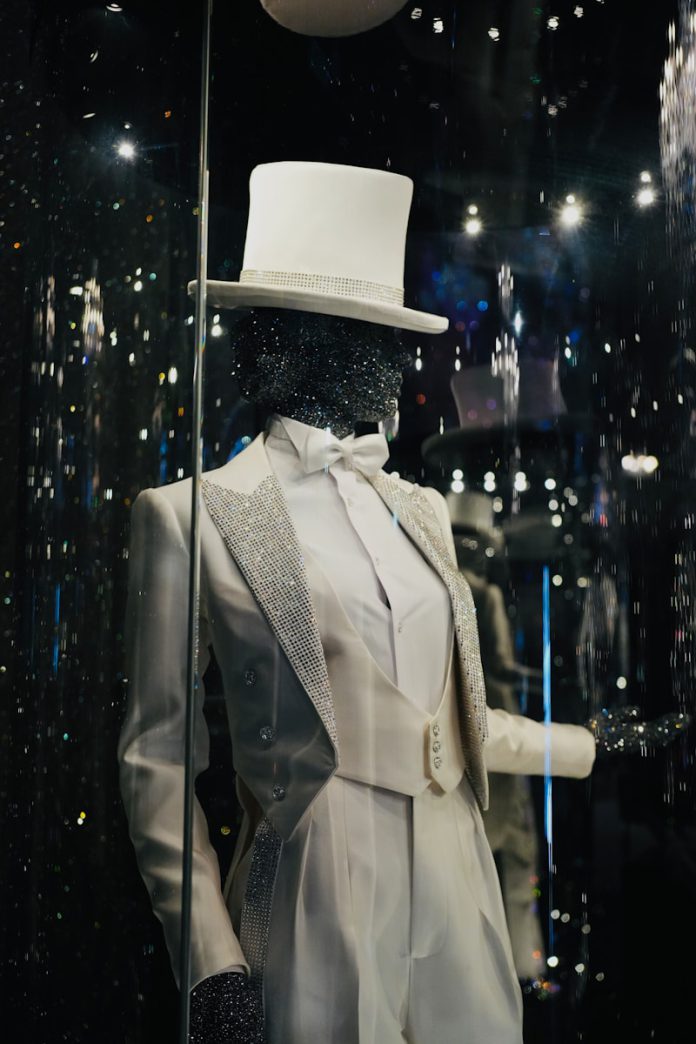
Luxury has always been a symbol of refinement—an expression of craftsmanship, exclusivity, and cultural heritage. For centuries, it has thrived on the artistry of human touch: the hand-stitched leather, the intricate embroidery, the delicate balance between beauty and restraint. Yet, as the world rapidly evolves, so too does the meaning of luxury. The 21st century has ushered in a new era where technology and tradition coexist, not as rivals, but as partners in redefining what sophistication truly means.
Today’s luxury landscape is no longer defined solely by rarity or price tags; it’s shaped by experiences, personalization, sustainability, and innovation. From digital couture to AI-crafted perfumes and blockchain-authenticated watches, the fusion of tradition and technology is transforming luxury into something simultaneously timeless and futuristic.
Tradition: The Soul of Luxury
To understand where luxury is headed, we must first acknowledge where it began. The essence of luxury has always been rooted in craftsmanship—the careful mastery of materials, techniques, and artistry passed down through generations. Whether it’s a French atelier producing haute couture gowns or a Swiss watchmaker assembling timepieces by hand, traditional luxury has celebrated patience, precision, and pride in creation.
This sense of heritage has long been its strongest currency. Owning a handcrafted item has never been just about possession; it’s about belonging to a legacy. A Hermès bag or a Rolls-Royce is admired not merely for its functionality, but for the story it carries—the story of human dedication and timeless design.
But even the most revered traditions must adapt. The new generation of luxury consumers—Millennials and Gen Z—demand not only elegance but relevance. They admire heritage, yet they also crave innovation, sustainability, and digital immersion. The challenge for luxury brands, therefore, is to bridge these worlds—to preserve the soul of craftsmanship while embracing the tools of the future.
Technology: The New Artisan
Technology, once viewed as antithetical to luxury, has become its new artisan. The same precision and creativity that once defined manual craftsmanship now find expression through digital means. Artificial intelligence, 3D printing, virtual reality, and blockchain are not eroding luxury’s essence—they’re enhancing it.
AI and Personalization: Artificial intelligence has unlocked a new dimension of personalization in luxury. Brands can now tailor products and experiences to individual tastes with unprecedented accuracy. Imagine a fragrance crafted not from a standard formula, but from your personal scent preferences, lifestyle data, and even genetic markers. Companies like Cartier and Dior are already experimenting with data-driven personalization, where AI helps refine design and predict trends while maintaining the craftsmanship that defines their legacy.
3D Printing and Design Innovation: Technology like 3D printing allows designers to experiment with complex forms that were once impossible to create by hand. High-end jewelers, such as Boucheron, are merging traditional goldsmith techniques with digital modeling to produce intricate, lightweight designs. Rather than replacing artisans, 3D printing amplifies their capabilities, allowing imagination to become tangible with greater precision and efficiency.
Virtual Reality and Experience: In an age where luxury is as much about experience as it is about ownership, virtual and augmented reality have redefined brand engagement. Fashion houses like Balenciaga and Gucci are creating immersive digital experiences where customers can “enter” virtual boutiques, attend runway shows in the metaverse, or try on digital garments before purchase. The tactile warmth of craftsmanship is now complemented by the emotional pull of digital artistry.
Blockchain and Authenticity: Reinventing Trust
One of luxury’s enduring pillars has always been authenticity. Consumers buy into the promise that their item is original, rare, and ethically sourced. Yet in a globalized, digital world filled with counterfeits and mass production, maintaining that promise has grown complex.
Enter blockchain technology—a digital ledger system that records transactions with absolute transparency and security. Luxury brands are now using blockchain to authenticate products from origin to ownership. A diamond, for example, can be traced from the mine to the final jewelry piece, ensuring ethical sourcing and verifying its journey.
LVMH, Prada, and Cartier have jointly developed the Aura Blockchain Consortium—a network that gives customers digital certificates of authenticity for luxury goods. This innovation not only combats counterfeiting but also adds a layer of digital storytelling, allowing consumers to connect more deeply with their purchase.
In essence, blockchain revives one of luxury’s oldest values—trust—through one of the most advanced technologies of our time.
Sustainability: The Ethical Evolution of Luxury
As technology and tradition converge, sustainability has emerged as the moral compass guiding luxury’s future. The modern consumer no longer equates extravagance with excess; they value consciousness as much as craftsmanship.
Luxury brands are using technology to create more sustainable production systems without compromising on quality or beauty. Digital design tools reduce material waste, while innovations in textile science have introduced eco-friendly alternatives to traditional fabrics. Stella McCartney, for example, has pioneered sustainable luxury using lab-grown leather and biodegradable materials. Meanwhile, heritage houses like Burberry and Chanel are investing in renewable energy and circular production models.
Even time-honored crafts are being reimagined with sustainability in mind. Japanese kimono makers and Italian shoemakers alike are using digital tools to map supply chains and minimize environmental impact. The future of luxury, therefore, is not just about what we create—but how responsibly we create it.
The Human Touch in a Digital World
For all its technological marvels, true luxury will always depend on human emotion. It is the craftsman’s steady hand, the designer’s intuition, the tailor’s patience—the irreplaceable warmth of human artistry—that gives luxury its heartbeat.
Technology can replicate precision, but not soul. The most forward-thinking luxury brands recognize this and use innovation not to replace artisans, but to empower them. For instance, in bespoke tailoring, AI can analyze a client’s measurements and preferences, while the final stitching still comes from the skilled hands of a master tailor. This partnership between algorithm and artistry creates something uniquely human and digitally enhanced—a perfect synthesis of precision and poetry.
Consumers, too, crave this balance. They may buy digital fashion for the metaverse, but they still treasure the tactile feel of silk or the scent of leather that only a seasoned craftsman can perfect. The coexistence of these desires defines the next chapter of luxury: not a rejection of technology, but a reclamation of humanity within it.
The Experience Economy: From Ownership to Emotion
The future of luxury isn’t just about products—it’s about experiences. As digital culture expands, luxury is being redefined not by what one owns, but by what one feels. The most successful brands are those that understand emotion as the ultimate luxury.
Technology has enabled experiential storytelling on a global scale. Virtual fashion shows, NFT collectibles, personalized AR shopping assistants—all these tools extend the emotional reach of traditional luxury into new, interactive dimensions. Yet the core message remains unchanged: exclusivity, creativity, and connection.
Consider how a luxury hotel uses data to anticipate a guest’s favorite wine, or how a custom jeweler designs a ring through a virtual consultation that feels deeply personal. In each case, technology acts as a bridge to emotional resonance, not a barrier.
A New Definition of Timelessness
In merging technology with tradition, luxury is rewriting its own definition of timelessness. What endures is not just the physical product, but the values it embodies—authenticity, creativity, and respect for craft. Technology has become the medium through which those values are expressed to a new generation.
Tomorrow’s luxury brands will succeed not by choosing between old and new, but by blending them into harmony. The handcrafted and the coded, the analog and the digital, the artisan and the algorithm—all are now threads in the same tapestry.
The future of luxury, then, is not a replacement of the past—it is its renaissance. It’s the eternal dialogue between the hand and the machine, between heritage and innovation. And in that dialogue, we find not just the next chapter of fashion and design, but a deeper understanding of what it means to be human in a technological world.