
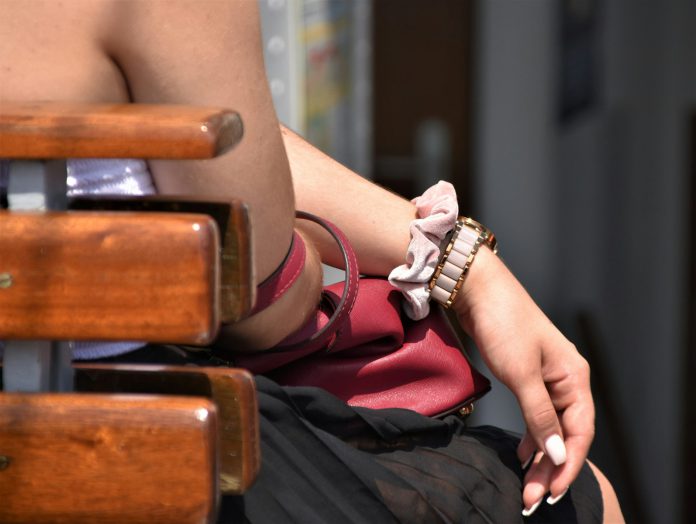
A handbag has always been more than a vessel. It’s an emblem — of identity, of taste, of quiet rebellion. This season, as fashion continues its dance between nostalgia and innovation, the designer bag emerges once again as the ultimate symbol of personal storytelling. But unlike the overt logo mania of the past, the bag edit for this season is defined by subtle confidence, craftsmanship, and character.
The fashion houses have spoken, and their language is tactile: soft leathers, sculptural forms, and whispers of heritage reimagined for a new era. Whether slung over the shoulder or clutched like art, these bags are less about status and more about sensibility — about the kind of luxury that doesn’t have to shout to be heard.
A New Era of Quiet Power
If the last decade was defined by “It-bags” that screamed their presence — embossed monograms, oversized hardware, and brand names spelled in capital letters — this one speaks in hushed tones. We’ve entered the age of quiet power.
Brands like The Row, Bottega Veneta, and Loewe lead this evolution, crafting pieces that celebrate restraint. The Row’s Margaux bag, with its butter-soft structure and absence of logos, epitomizes the new language of luxury: wealth measured not by visibility, but by touch. Similarly, Bottega Veneta continues its mastery of intrecciato weave — instantly recognizable to those who know, but never ostentatious.
It’s the kind of elegance that’s felt rather than flaunted — the kind that suggests the owner values longevity over hype, craftsmanship over chaos. This is fashion’s most understated flex.
The Return of Shape and Structure
While minimalism dominates the aesthetic conversation, this season also celebrates the sculptural side of design. Bags have become architectural again — clean yet daring, practical yet poetic.
Loewe’s Puzzle Edge and Squeeze bags, for example, blur the line between accessory and sculpture. Jonathan Anderson’s approach transforms leather into fluid geometry, crafting silhouettes that shift and fold with movement. Similarly, Coperni’s glass-blown Mini Swipe bag — more art installation than functional purse — challenges the idea of utility altogether.
The structured silhouette speaks to a craving for order amid unpredictability. After seasons of slouchy totes and casual carryalls, these angular forms bring a sense of control. They suggest a return to intentionality — every fold, seam, and clasp telling a deliberate story.
Color Therapy in a Bag
Color this season is not decoration — it’s emotion. The bag palette of 2026 is alive with personality: earthy greens, sun-warmed terracottas, and dusky blues alongside bursts of citrus and blush tones.
Prada’s latest Galleria models appear in sophisticated muted shades like pale pistachio and dusty rose, perfect for pairing with neutral wardrobes. Meanwhile, Jacquemus continues to play with joyful color — lemon yellows and poppy reds that instantly lift the spirit.
There’s also a noticeable gravitation toward “wearable art” hues — gradients and marbled dyes that make each piece unique. These tones capture a broader cultural shift: we’re craving vibrancy, but with softness. The colors don’t overpower; they comfort. It’s color as therapy, design as emotional language.
Texture: The Season’s Secret Ingredient
The tactile experience of a bag has become as important as its look. This season’s designers understand that fashion is physical — that we crave the sensory satisfaction of quality materials.
Shearling trims, suede panels, and embossed leather dominate the runway accessories. At Miu Miu, plush textures give vintage silhouettes a modern wink, while Ferragamo’s Hug bag uses supple, curved leather to invite — almost beg for — touch.
The resurgence of texture also speaks to a post-digital yearning. In an era of screens and scrolling, texture grounds us in the real. It reminds us that luxury isn’t about perfection; it’s about feeling something — the soft pull of a strap, the weight of craftsmanship resting against the body.
Mini, Maxi, and Everything In Between
Size, this season, is a matter of attitude. The great divide between micro bags and mega totes continues, but both carry distinct narratives.
The micro bag remains a playful symbol — impractical, yes, but deeply personal. It’s a statement of confidence: you don’t need to carry much when your presence says enough. Brands like Jacquemus and Chanel continue to dominate this category, reimagining their classic shapes in miniature proportions that border on jewelry.
On the opposite end, oversized carryalls reclaim their relevance. Prada’s slouchy nylon tote and Saint Laurent’s Icare Maxi bag prove that function can be fashionable. The appeal is freedom — the ability to carry your world with you, from your laptop to your lipstick.
Together, these extremes reveal fashion’s duality: we want lightness and substance, fantasy and function — all at once.
A Heritage Reborn
One of the defining trends this season is heritage revival — not through nostalgia, but through reinterpretation. Designers are reaching into their archives to bring the past forward, updating iconic bags with modern precision.
Gucci’s Jackie 1961 remains a perfect example: Alessandro Michele once resurrected it with whimsy, and now Sabato De Sarno continues its legacy with clean lines and muted colors, making it timeless yet current. Dior’s Saddle Bag also returns, this time in softer hues and sleeker leather, signaling evolution rather than repetition.
This trend isn’t just about brand identity — it’s about connection. Owning a heritage bag today is like carrying history on your shoulder, a link between generations of women who understood that fashion could be both personal and political.
Sustainability: The New Luxury Standard
Sustainability is no longer a footnote in luxury fashion; it’s the headline. The most coveted designer bags this season are those that blend beauty with responsibility.
Stella McCartney continues to pioneer vegan and bio-based materials, her Frayme bag crafted from mushroom leather and recycled hardware. Meanwhile, brands like Chloé and Gabriela Hearst are proving that eco-conscious design can be profoundly elegant, utilizing deadstock materials and artisan partnerships to minimize waste.
Even legacy houses are rethinking their practices. Louis Vuitton’s LV Trainer Bag uses upcycled leathers, while Balenciaga experiments with circular production techniques.
This shift signals a deeper truth: the definition of luxury has changed. True exclusivity now lies in integrity — in the story behind the seam.
The Street Style Influence
While runways dictate trends, it’s on the streets where fashion truly breathes. Street style this season has made the bag not just an accessory, but a character — one that reflects personality as vividly as clothing.
The crossbody reigns supreme among younger crowds, blending practicality with cool factor. Meanwhile, fashion insiders are gravitating toward unconventional shapes — crescent clutches, half-moon slings, and sculptural handles.
The street’s message is clear: the bag is an extension of the self. Whether oversized or minimalist, quirky or classic, it’s a way of saying, “This is who I am today.” And that’s perhaps the most modern statement of all.
Investment and Intuition
Amid fast-changing trends, designer bags remain one of the few fashion investments that hold emotional and monetary value. But the modern consumer is buying differently now — not to impress, but to express.
A bag is no longer simply an accessory; it’s a form of storytelling. Each detail — the grain of the leather, the curve of the clasp, the weight of the strap — reflects an inner world. The best bags don’t just carry belongings; they carry confidence.
And perhaps that’s why the “bag edit” of this season feels less like a list and more like a mood. Whether you gravitate toward the sculptural artistry of Loewe, the tactile luxury of Bottega Veneta, or the timeless sophistication of Hermès, the message remains consistent: the right bag doesn’t change who you are — it reminds you who you’ve always been.